
- Home >
- Soccer >
- 5ASIDE >
- 5ASIDE - AFCON vs UEFA: The Eternal Clash Between European Football and Its African Stars
5ASIDE - AFCON vs UEFA: The Eternal Clash Between European Football and Its African Stars
Every AFCON cycle brings the same storm: nervous European clubs, controversial quotes, and a debate that refuses to die.
A conflict that resurfaces every two years
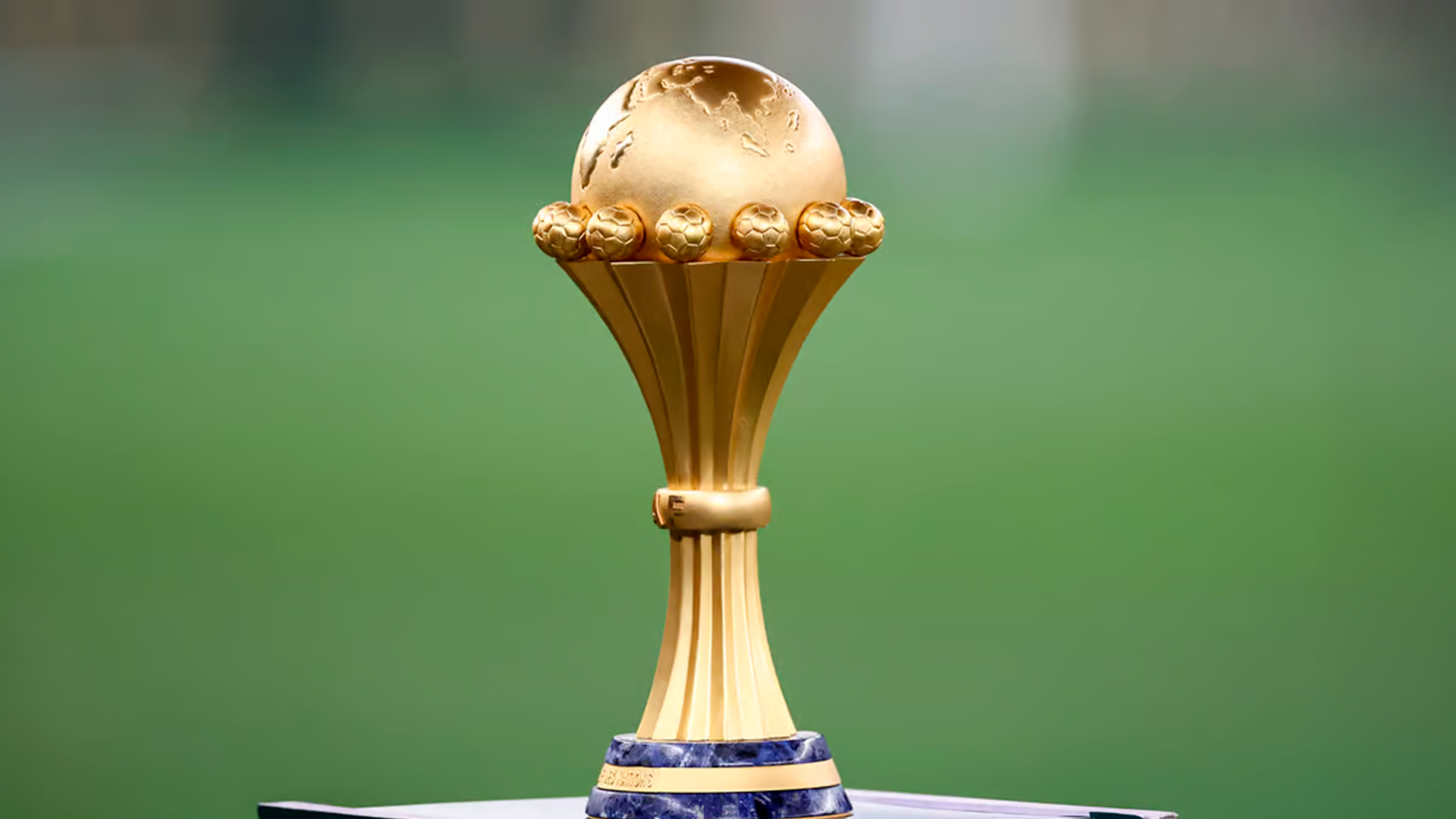
With AFCON 2025 kicking off on December 21, the same old debate has returned to Europe: how much does this tournament “inconvenience” European clubs?
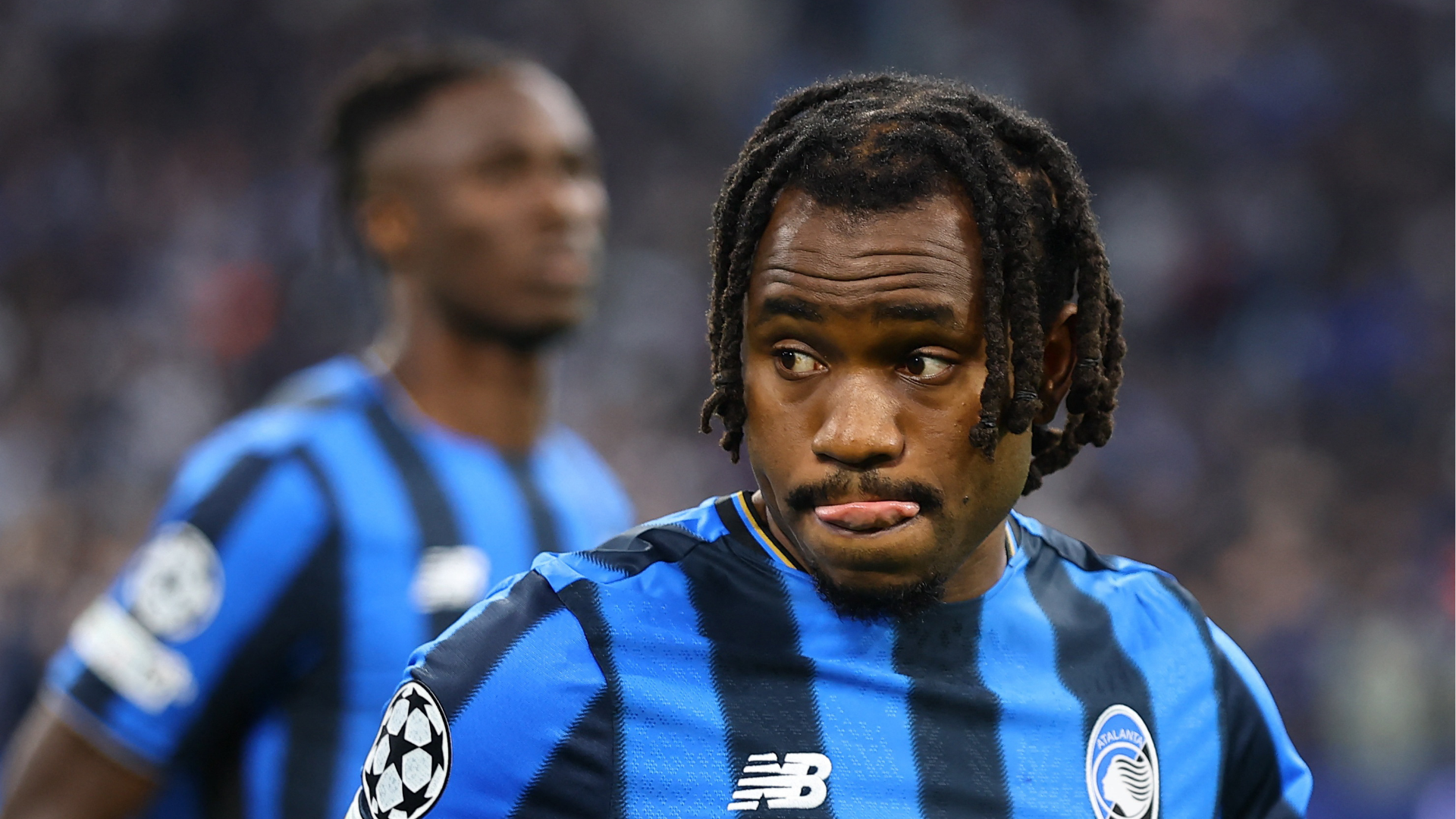
This time, the spark came from Cesc Fàbregas, now Como’s head coach, who claimed it “doesn’t make sense” for midfielder Assan Diallo to leave mid-season to represent Senegal at AFCON.
The remark ignited backlash. On 5 Aside, the panel was blunt: behind the tactical concerns and squad-management issues, there is a historical bias. When a player is called for the Euros or Copa América, no one dares call it “ill-timed.” When the call-up is for AFCON, the conversation suddenly shifts.
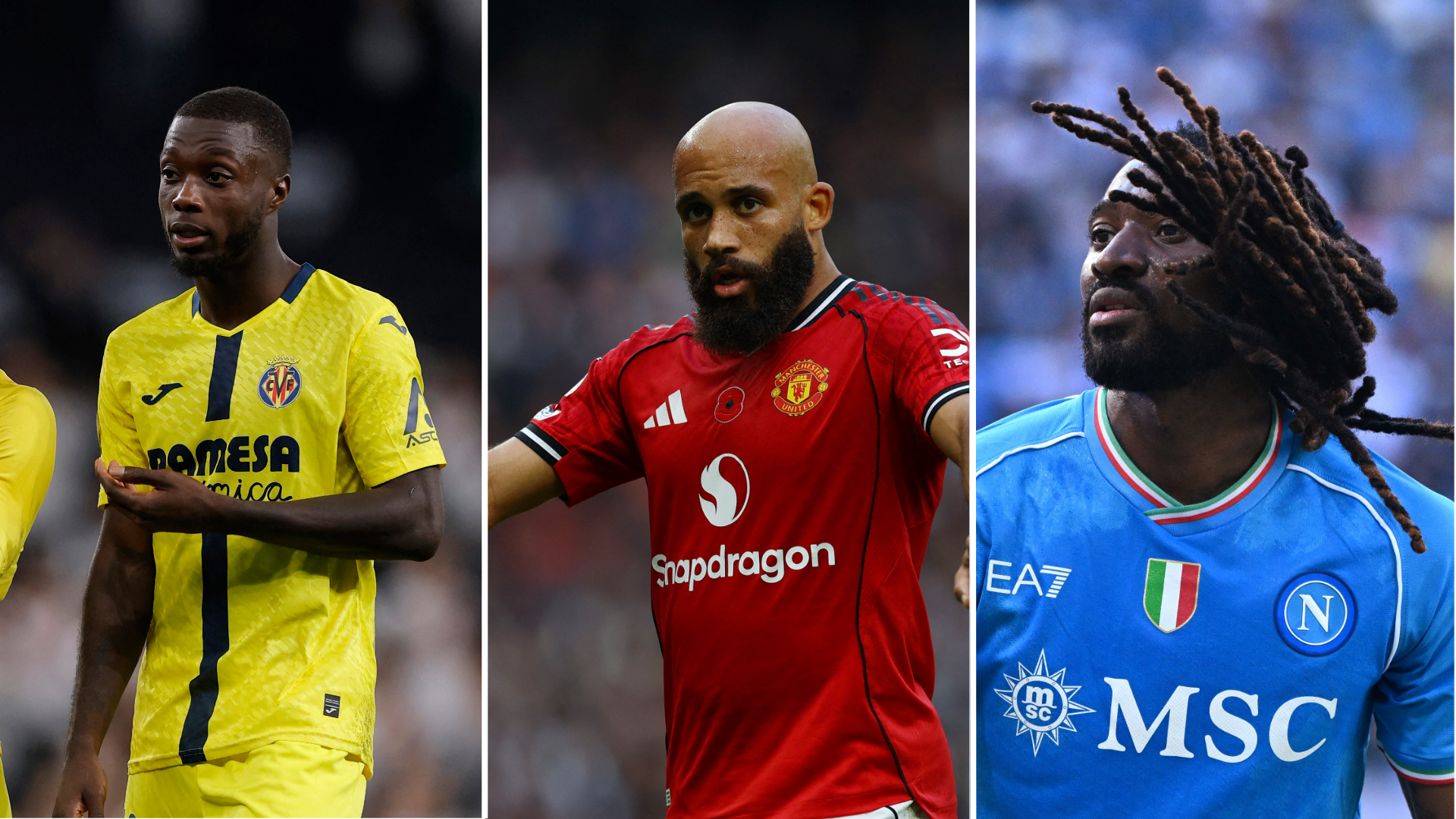
And that’s the irony: Europe’s top leagues are filled with African talent, yet African players still have to justify why representing their country matters as much as any other continental championship.
Clubs want priority… but Africa demands respect
The show’s panel broke down both sides of the conflict. From a club perspective, losing a key player in the middle of the season is a real blow: injuries, fixture congestion, promotion battles, relegation pressure, European qualification — all of it matters. Como, specifically, is fighting to consolidate its project in a crucial year.
In that sense, Fàbregas’ concern has a sporting logic behind it. It’s not the same to release a player in June as in the heart of the season.
But as the hosts emphasized, the issue lies in the tone. Suggesting that it’s “not worth it” to join Senegal — a legitimate contender — unintentionally diminishes AFCON and, by extension, African football as a whole.

Senegal, a powerhouse that demands recognition
The Assan Diallo situation opened the door to a deeper question: why does the perception still persist that AFCON is “a problem” for clubs?
On 5 Aside, the sentiment was unanimous:
- Senegal is a real title contender.
- Diallo wouldn’t be leaving for a minor tournament; he’d be competing at the highest international level.
- Winning AFCON is, for African players, equivalent to winning any continental title.
Europe’s annoyance seems rooted less in scheduling and more in a mindset that hasn’t caught up with modern African football. While coaches protect their tactical plans, for players this is a chance to make history.
A tournament built on identity, pride, and legacy
European coaches see risk; African players see legacy. AFCON is far more than a competition — it is a celebration of identity, emotion, and continental pride. It is where generations are defined, where legends emerge, where football transcends sport and becomes culture.
The show captured it perfectly:
“If you truly value your player, you should want them to chase that kind of history.”
AFCON is not a scheduling inconvenience. It is a world-class tournament with packed stadiums, extreme intensity, and stakes that shape entire careers.

Heading into Morocco 2025: an old debate, a new AFCON
With Senegal, Morocco, Ivory Coast, Nigeria, Ghana, Algeria and other giants preparing for the tournament, AFCON 2025 arrives surrounded by familiar arguments — yet with a generation of African stars unwilling to accept being treated as lesser than their European counterparts.
What remains undeniable is that AFCON deserves the same respect as any other continental championship. And starting December 21, you’ll be able to watch every match, every storyline, and every moment of African glory — exclusively on beIN SPORTS.