
Camilo Mena: The Colombian Winger Thriving in Polish Football
Exclusive Interview with Camilo Mena
– Camilo, how do you remember your childhood and early football development in Colombia? What shaped you the most as a player and as a person?
In the region where I grew up, football was everything. Everyone walked around with a ball under their arm, playing on the streets, in school yards—anywhere possible. That environment pulled me into the sport, and with the huge support of my parents, I decided to seriously try playing. And since I turned out to be pretty good at it, football became my path.
– In 2019, you were included in The Guardian’s “Next Generation” list as one of the 60 biggest young talents in world football. What did that recognition mean to you at such a young age, and how did it influence your career?
It was a huge surprise for me. Imagine seeing your name next to players like Ansu Fati, Joško Gvardiol, Jérémy Doku, or Pedri. I wondered how such a big newspaper even found me. It was a great honor, but also a massive motivation to work even harder for my dreams. I never lost touch with reality, though—my parents always made sure I stayed grounded. I’m very grateful for that. Being included in such an elite group was a big privilege.
– Your first move abroad was to Latvia. How did that opportunity come about, and what was the hardest part of adapting to a new culture and football environment?
When the offer from Valmiera came the first time, I immediately said NO. I didn’t know the country, the league, or even where it was on the map. For about 30 days I talked a lot with God about what I should do—I’m very religious, so that was important for me. Then a second offer came from Latvia, much better than the first one, and I took it as a bit of a sign. I started researching the country, the clubs, the league. But the beginning was extremely difficult—I didn’t speak English, it was my first time living abroad, and the country was completely different from Colombia. The first year was tough, but I learned a lot and I’m grateful the club gave me that chance. I met many kind people there. The second year was much better. We won the league, I scored goals, made assists—that always helps.
– Then came your short spell at Jagiellonia Białystok. What did you take away from that period in the Ekstraklasa, and what do you think didn’t fully work at that time?
It was a logical step after my strong season in Latvia. The Ekstraklasa is a competitive league. It’s a pity I couldn’t play more, but I had my first serious injury, which made things difficult. Still, I’m very grateful to Jagiellonia for the opportunity.
– Today you’re at Lechia Gdańsk. What convinced you about this project, and how would you describe your development since joining the club?
It was similar to the situation with Latvia. My first reaction to Lechia was “no”—mainly because I also had an offer from Raków Częstochowa, who were the Polish champions at the time, and I could have stayed at Jagiellonia as well. With Raków, I wasn’t convinced by the city or the location. That’s when Paulo Urfer, the owner of Lechia, stepped in. I already knew him a little—he had watched my games, followed my career, and really wanted me in his team. His determination convinced me. I spoke with my family and decided to sign.
– And you don’t regret rejecting Raków’s offer?
Absolutely not. Joining Lechia was the best decision of my life. The people, the city, one of the most beautiful stadiums in Poland—we are like a big family here. Many people helped me adapt, and I’m very grateful.
– You’re working with a very experienced coach in John Carver. What does he bring to your game, and what elements of his methodology help you the most?
Working with John is a great privilege. The first thing he told me was: “Be yourself. I don’t want you to change.” That meant a lot and gave me huge confidence. The way he communicates, the clarity of his message—you see his class and experience immediately. I’ve learned so much from him already.
– In attack you form a strong partnership with Tomas Bobček, one of the league’s most effective scorers. What is the connection like between you, both on and off the pitch?
The relationship between Bobček and me is fantastic—not only in football terms, but personally as well. He’s a great striker and a great guy. He’s addicted to scoring goals—he’s having his moment now. He went through a lot with his injury, but he came back even stronger. He’s an extremely important player for us.
– Do you see him moving soon to a bigger club, maybe even abroad?
Definitely. Many clubs are already watching him—it’s logical, he’s the top scorer in the league. I hope the moment comes and it becomes a big transfer, good for everyone, including the club financially. It will be sad for us players because we love playing with him, and he gives us a lot.
– Who are you closest to in the dressing room?
Ivan Zhelisko. We’ve known each other for more than five years—he’s my friend. We meet often after training or before sessions for coffee.
– What is the realistic goal and the dream for Lechia in this Ekstraklasa season? Why do you think the team can achieve it?
Losing those 5 points was very tough because with them we’d be in the top 8 now. But we’ve shown we can beat anyone, that we’re strong and motivated, and that we want to fight for European competitions. We must aim high. And my personal goal is to win the Polish championship with Lechia. I want to do that before I leave—to give joy to the fans and the club, because I’m very grateful for everything they’ve done for me.
– This weekend you face the league leaders, Górnik Zabrze. What kind of match do you expect, and what’s Lechia’s plan to get points against the most in-form team in the league?
It will be a very tough match. We faced them a few days ago in the Polish Cup and unfortunately they won. I couldn't play in that game. But we hope to take revenge—we’re playing at home, and we must show we can beat the leaders. We respect them: they have great players and play attractive football, but we want to show we are Lechia Gdańsk and we want to win. We want to bring joy to our supporters.
Camilo Andrés Mena Márquez, born in 2002 in Concordia, Colombia, is one of the most exciting young attacking players currently competing in the Polish Ekstraklasa. The dynamic right-winger joined Lechia Gdańsk after spells in Latvia and a brief loan in Poland, and has quickly become one of the club’s most influential figures.
From Colombia to Europe
Mena’s football journey started in his home country, where his pace and flair immediately drew attention. His move to Europe came early — at just 19 years old he signed with Valmiera FC in Latvia. There, he adapted quickly to European football, showcasing not only speed and dribbling but also an improving end product.
His progress opened the door to the Polish league, a competition known for its physicality and tactical discipline.
Joining Lechia Gdańsk
Lechia Gdańsk brought Camilo Mena in as part of their long-term rebuilding project, seeing in him both immediate impact and strong potential for development. Since arriving in Gdańsk, he has added unpredictability and one-on-one quality to the team’s attacking structure.
His versatility allows him to play on either side of the pitch, though he is most dangerous coming in from the right with his ability to attack space and create chances.
Growing Influence and Rising Expectations
In the current season, Mena has been one of Lechia’s most active and productive players. Regular starts, consistent contributions, and a rising level of confidence have made him a key part of the team’s offensive system.
His numbers reflect a promising trajectory: steady goal involvements, strong chance creation, and visible improvement in his decision-making in the final third.
A Player to Watch
Still only in his early twenties, Camilo Mena combines youthful energy with valuable European experience. His potential ceiling is high, and his development in the Ekstraklasa is closely followed by scouts and analysts.
For Lechia, he represents both an important present asset and a long-term investment — a player who can help shape the club’s identity moving forward.
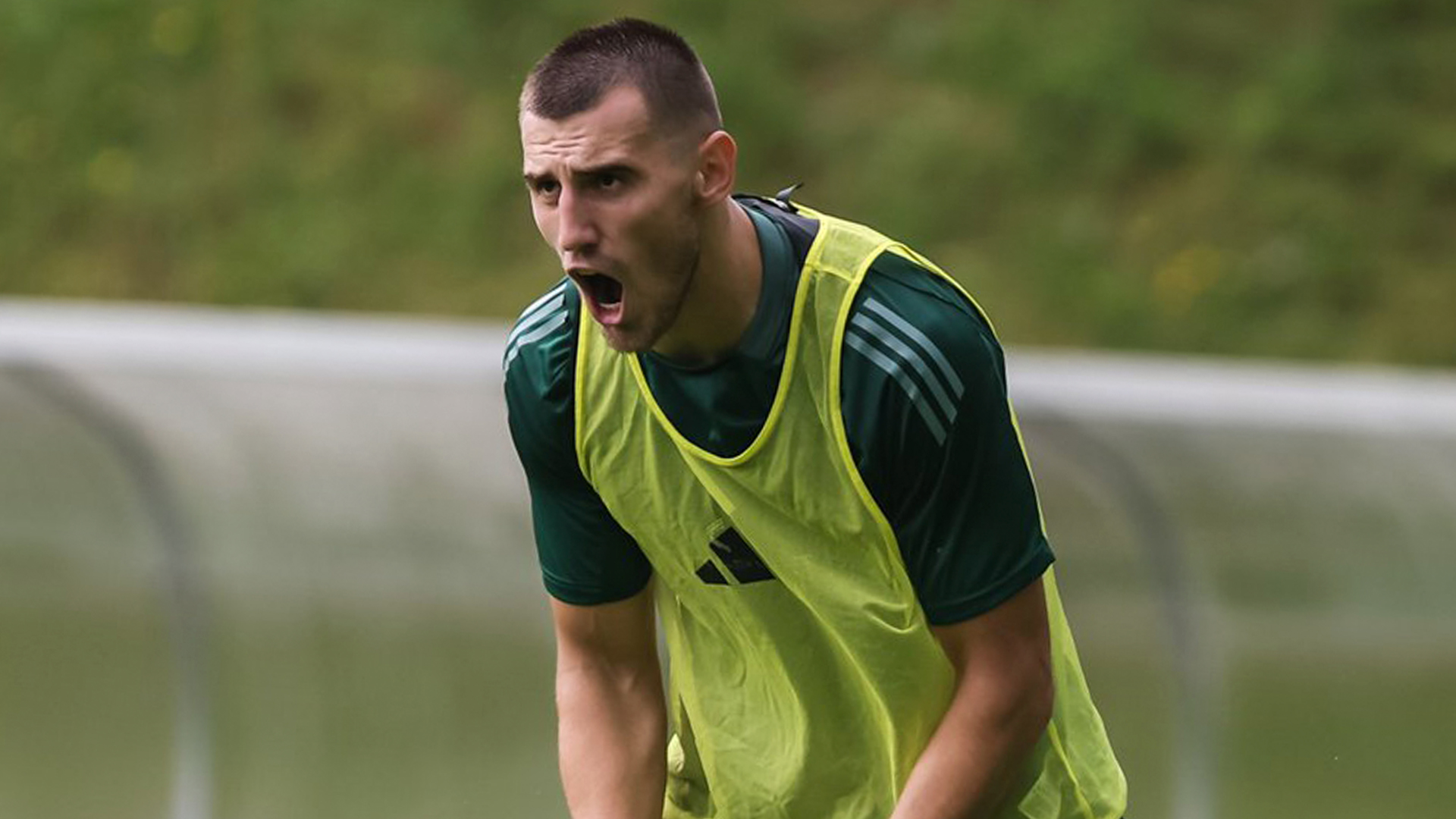
Camilo Mena is becoming a standout name in Poland: a winger with pace, personality, and the ambition to continue climbing in European football.