
The Impressive Economic Impact of AFCON 2025
The AFCON 2025, which will be broadcast exclusively and in full on beIN SPORTS, is not only set to deliver top-tier football—it will also generate a historic economic impact for Morocco, CAF, and the entire African continent.
With the kickoff of AFCON 2025 just weeks away — a tournament fans will be able to watch entirely on beIN SPORTS — the spotlight is not only on the national teams, star players, and passionate supporters. Behind the excitement lies a complex economic structure driven by high-value sponsorships, major broadcasting rights, tourism revenue, and long-term football infrastructure investments. The competition has evolved into both a sporting spectacle and a powerful commercial engine.
CAF’s Financial Rebound: A Key Foundation Behind the Tournament
The Confederation of African Football (CAF) enters AFCON on solid financial footing — a crucial factor for organizing a competition of this scale, which will be aired in full on beIN SPORTS. Under the leadership of president Patrice Motsepe, the organization has undergone a dramatic turnaround after facing financial deficits and operational inefficiencies just four years ago.
Motsepe’s reforms focused on stricter financial controls, securing high-profile sponsorships and media partnerships, and professionalizing CAF’s internal operations. The results have been striking: for the 2023–2024 fiscal year, CAF reported a net profit of $9.48 million — its first in several years — reflecting both improved management and the growing global appeal of African football.
AFCON 2025: The Continent’s Commercial Powerhouse
Projected revenue for the AFCON 2025 — which fans can watch live and exclusively on beIN SPORTS — stands at an impressive $192.6 million, with an expected net profit of $113.8 million. This far surpasses other CAF tournaments such as WAFCON, CHAN, or the CAF Champions League, reinforcing AFCON’s role as the confederation’s financial backbone.

The commercial strength of the tournament is built on three pillars:
- Sponsorships: $126.2 million
- Ticketing and hospitality: $19 million
Beyond CAF’s finances, AFCON drives Morocco’s economic activity through increased tourism, hotel occupancy, retail consumption, and transportation demand. Host cities—including Rabat, Casablanca, Marrakech, and Agadir—are leveraging the event to boost international visibility and modernize sports infrastructure ahead of the 2030 FIFA World Cup, which the country will co-host.
Global Appeal Through the African Diaspora
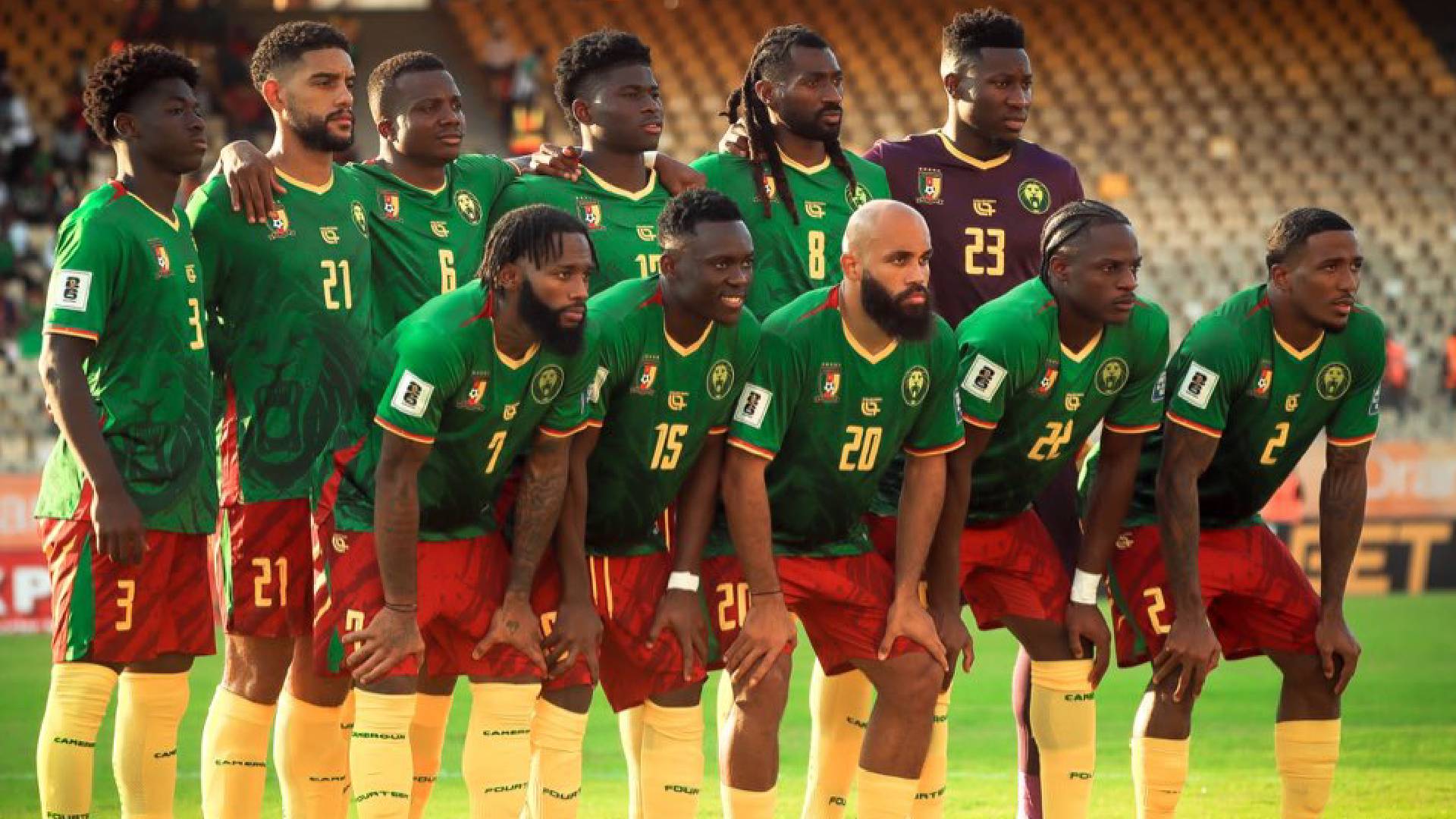
A major factor behind AFCON’s rising international profile is the growing number of diaspora players. In recent editions, more than 40% of registered footballers were born outside Africa. This trend strengthens national teams, enhances tactical and technical levels, and expands the tournament’s fan base across Europe and beyond.

CAF has strategically embraced this global connection through the AFCON 2025 Diaspora Trophy Tour, with promotional events in London and Paris. These activations highlight the cultural and commercial significance of the African diaspora in shaping the tournament’s identity.
As anticipation builds, AFCON 2025 — available in its entirety on beIN SPORTS — stands as both a celebration of African football excellence and a powerhouse of economic opportunity, proving that the sport can thrive far beyond the field.